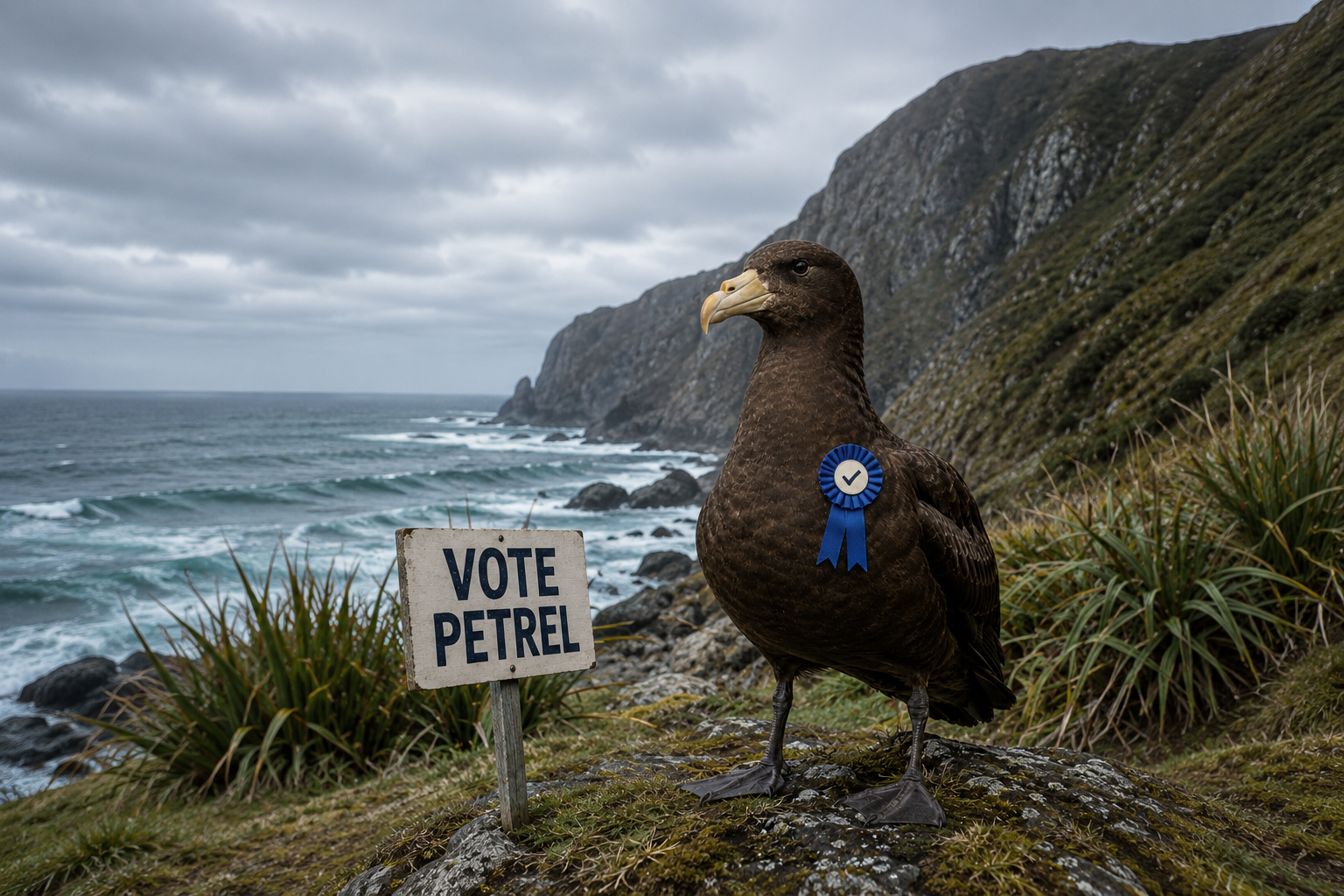
Last year, the tāiko finished the Bird of the Year competition with 81 votes. Not last place, but close enough to it that a bird found nowhere else on the planet barely registered a blip on the national radar. Forest and Bird
That's the strange thing about the Westland petrel. It has one of the most singular stories of any bird in Aotearoa, and almost nobody outside the Coast has heard it.
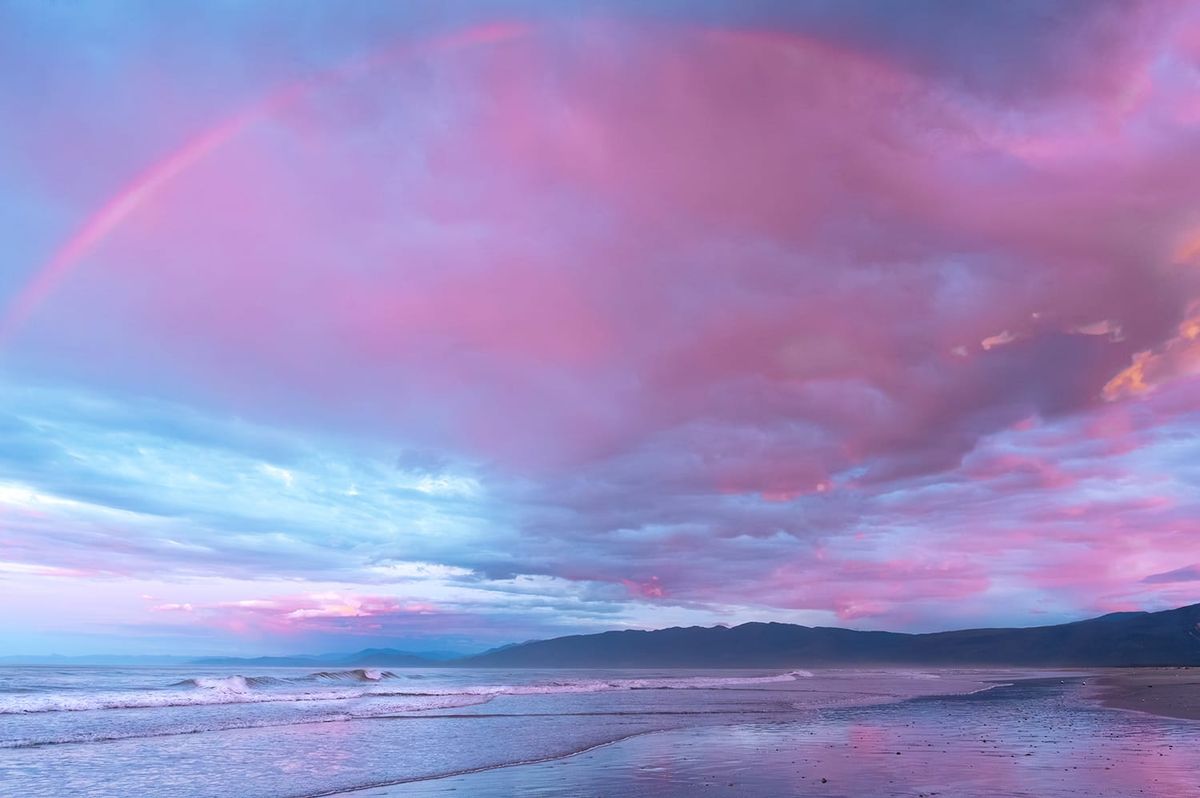
The tāiko breeds in exactly one place on Earth: a narrow stretch of coastal forest in the foothills of the Paparoa Range, just south of Punakaiki. Nowhere else. Not another colony further up the coast, not a backup population somewhere in the South Pacific. If something happens to this handful of kilometres of hillside, the species doesn't have a plan B. Department of Conservation
It wasn't scientists who found the colony, either. It was Barrytown schoolchildren, back in the 1940s, who first came across the birds and reported them. The tāiko has been part of local knowledge on this coast for longer than it's been part of any official record. Conservationvolunteers
What they found was a bird built entirely around the dark. Tāiko only leave their burrows at night, timing their arrivals and departures to avoid predatory birds like the New Zealand falcon and harrier hawk, who hunt by day. They're jet black from beak to feet, built less for showing off and more for disappearing. An egg is laid once a year, in May or June, and both parents share the work of keeping it warm before it hatches in late July. Once the chick arrives, one or both parents guard it around the clock for up to six weeks, taking turns flying out to sea and returning under cover of darkness with food. Westland petrel ‹ Bird of the Year ‹ Forest & Bird +3
There are roughly 4,000 breeding pairs left, and the species is currently listed as At Risk. DOC has been banding birds at the colony since 1969 to track survival and breeding success, one of the longer-running seabird monitoring programmes in the country. In 1990, a mining company gifted 28 hectares of forest to Forest & Bird specifically to protect the colony, a small but telling sign of how long this particular patch of ground has mattered to whoever has held it. The threats haven't gone away. Fishing bycatch, introduced predators, and light pollution that disorients birds flying at night all still weigh on a population that's only just holding steady. Tāiko Westland Petrel, Punakaiki (completed) - Conservation Volunteers New Zealand +2
None of this is a reason to look away. It's the reason to pay attention.
Bird of the Year isn't just a popularity contest. It's one of the few moments each year when a bird like the tāiko, quiet, nocturnal, and easy to overlook even by the people who live closest to it, gets put in front of the rest of the country. More votes means more attention. More attention means more pressure to keep protecting a bird that has already survived on this coast for longer than anyone can properly account for.
Voting is open now, from 9am Friday 4 September to 5pm Sunday 20 September, with the winner announced Monday 21 September. Head to birdoftheyear.org.nz and give the tāiko one of your five votes.
Eighty-one votes was what it got last time, from a coast that knows exactly what this bird is and exactly what it would mean to lose it. This year, that number should look different.