At Gentle Annie, one family has grown winter tomatoes and babaco, milked cows, built a golf course and turned a cowshed into a café. Fifty years on, the work has changed many times, but this place has held onto their hearts.
On the afternoon I visited Gentle Annie, it felt as though I was on holiday. The world seemed far away and it was very easy to forget there was work to do.
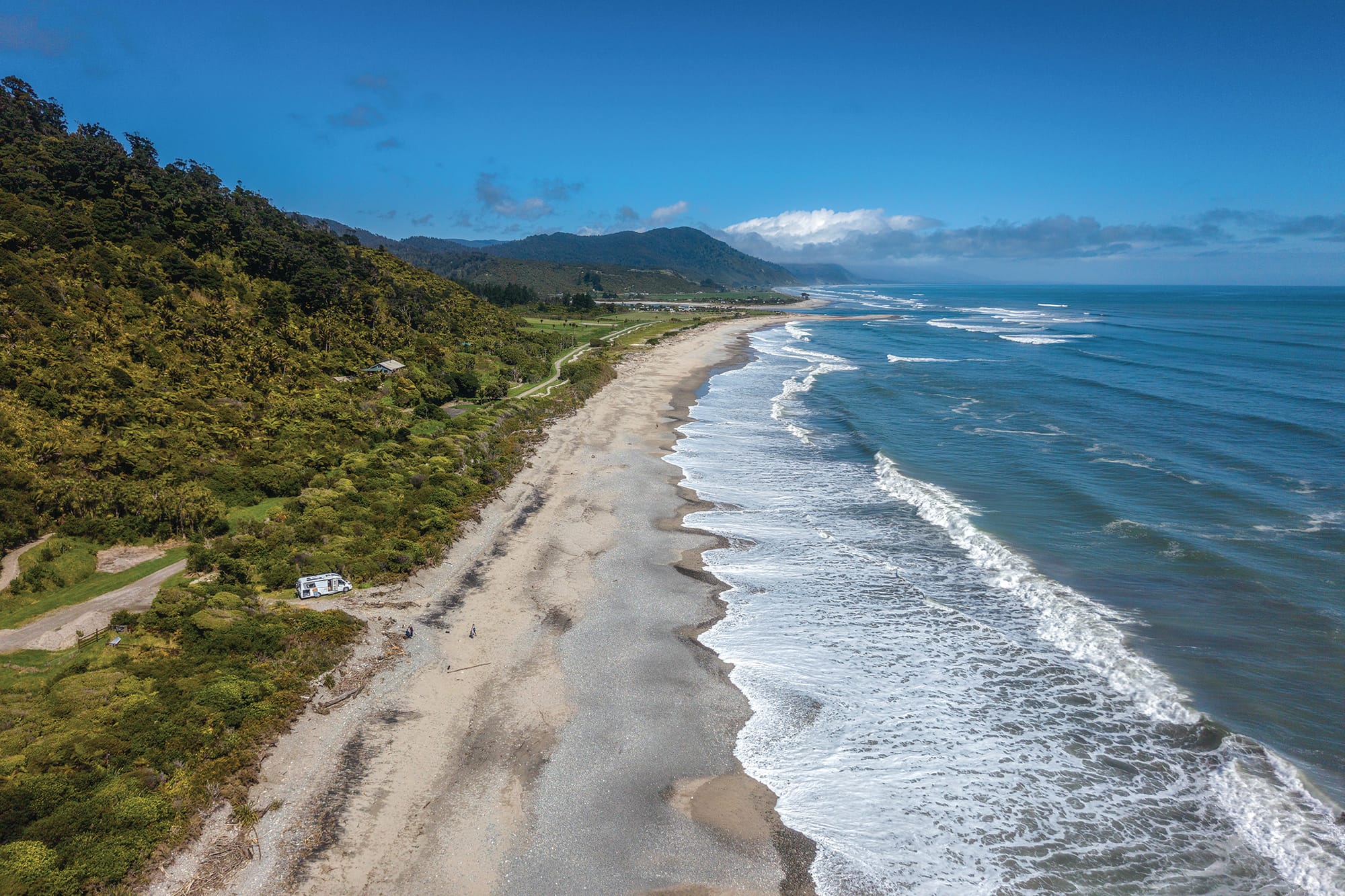
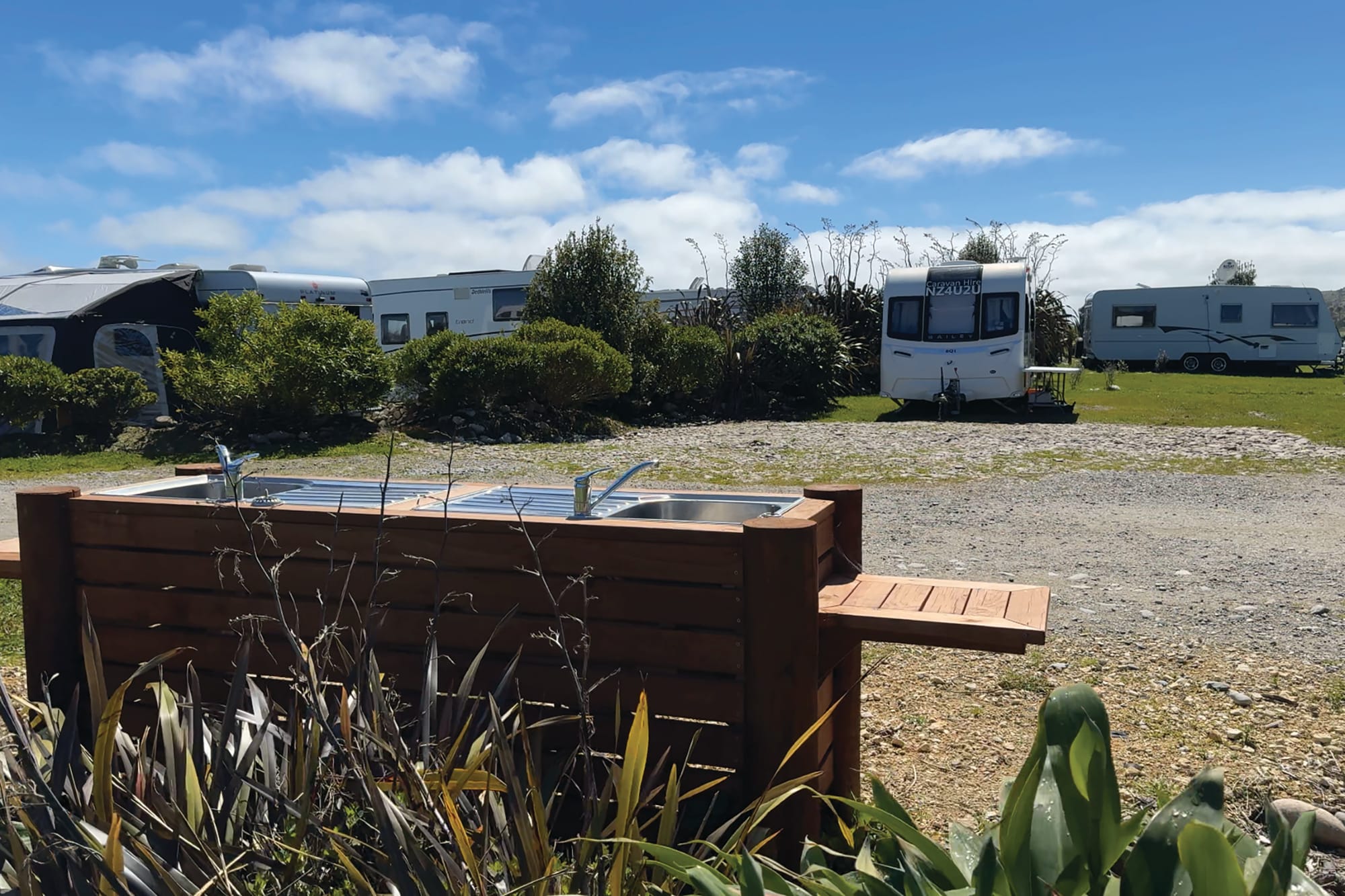
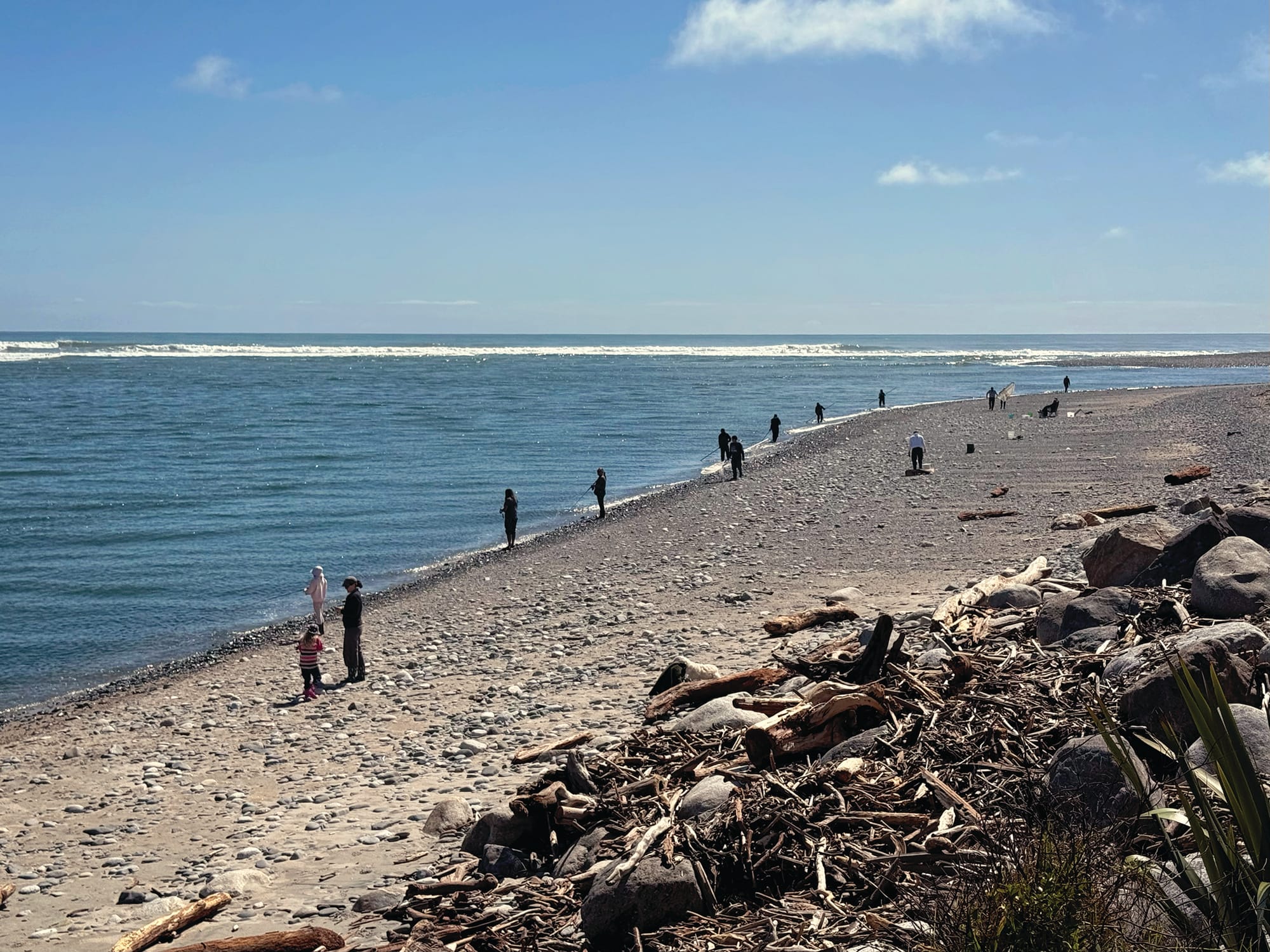
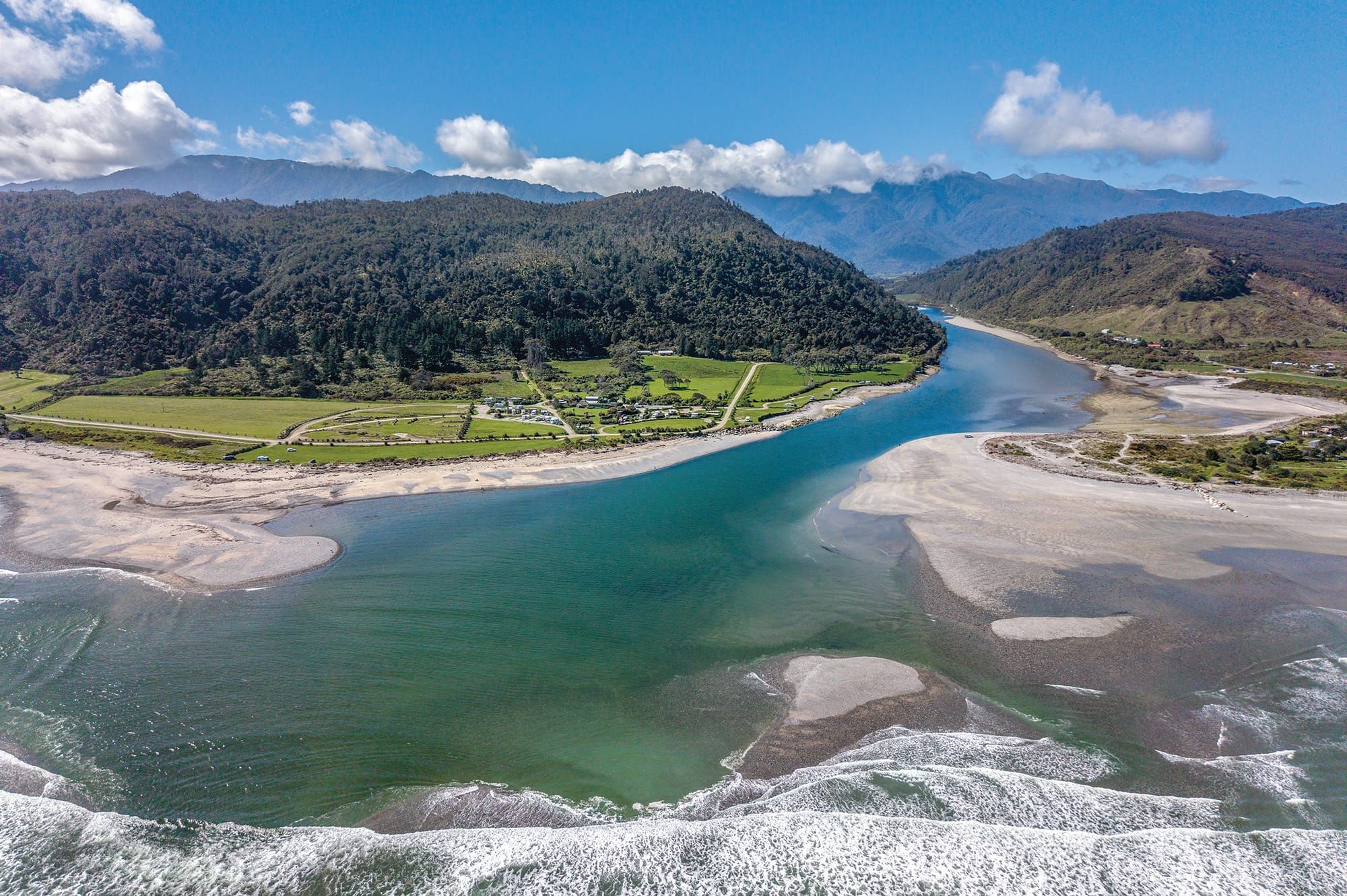
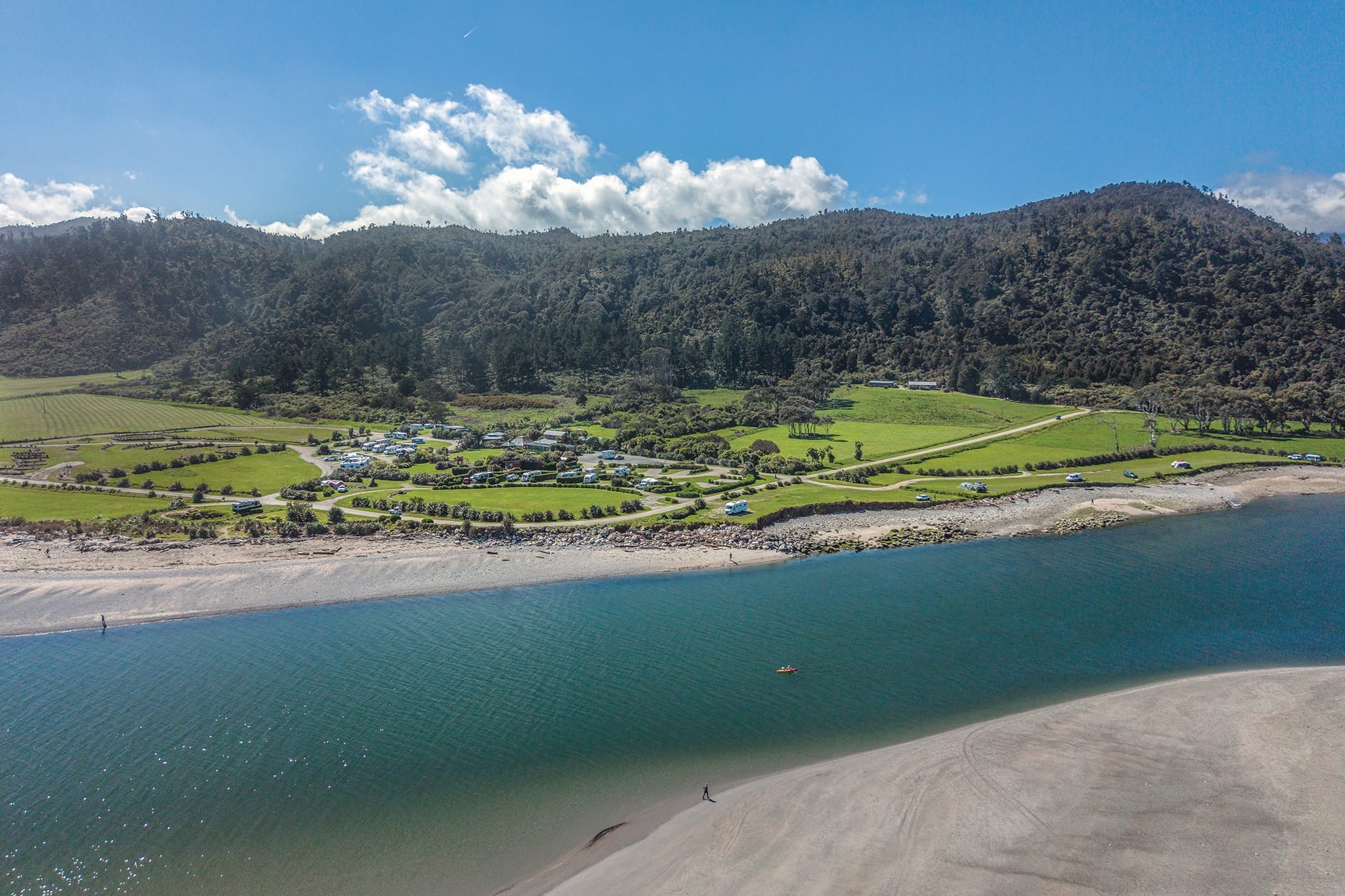
It was whitebait season, and people were fishing where the Mōkihinui River meets the sea. A few were walking the beach and nearby tracks. Caravans and campers had settled into the grounds, chairs pulled outside, towels drying in the sun and the smell of barbecues in the air.
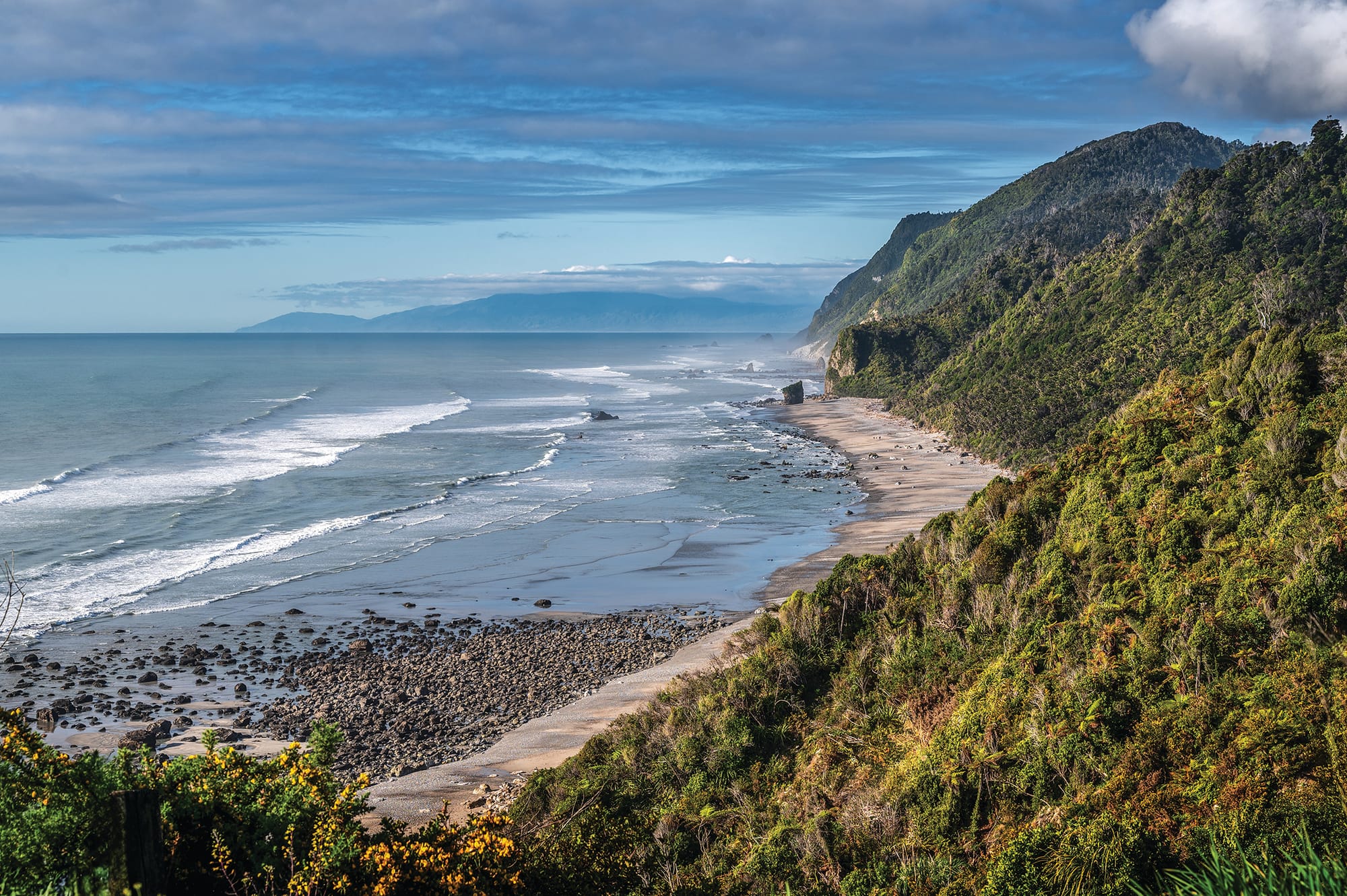
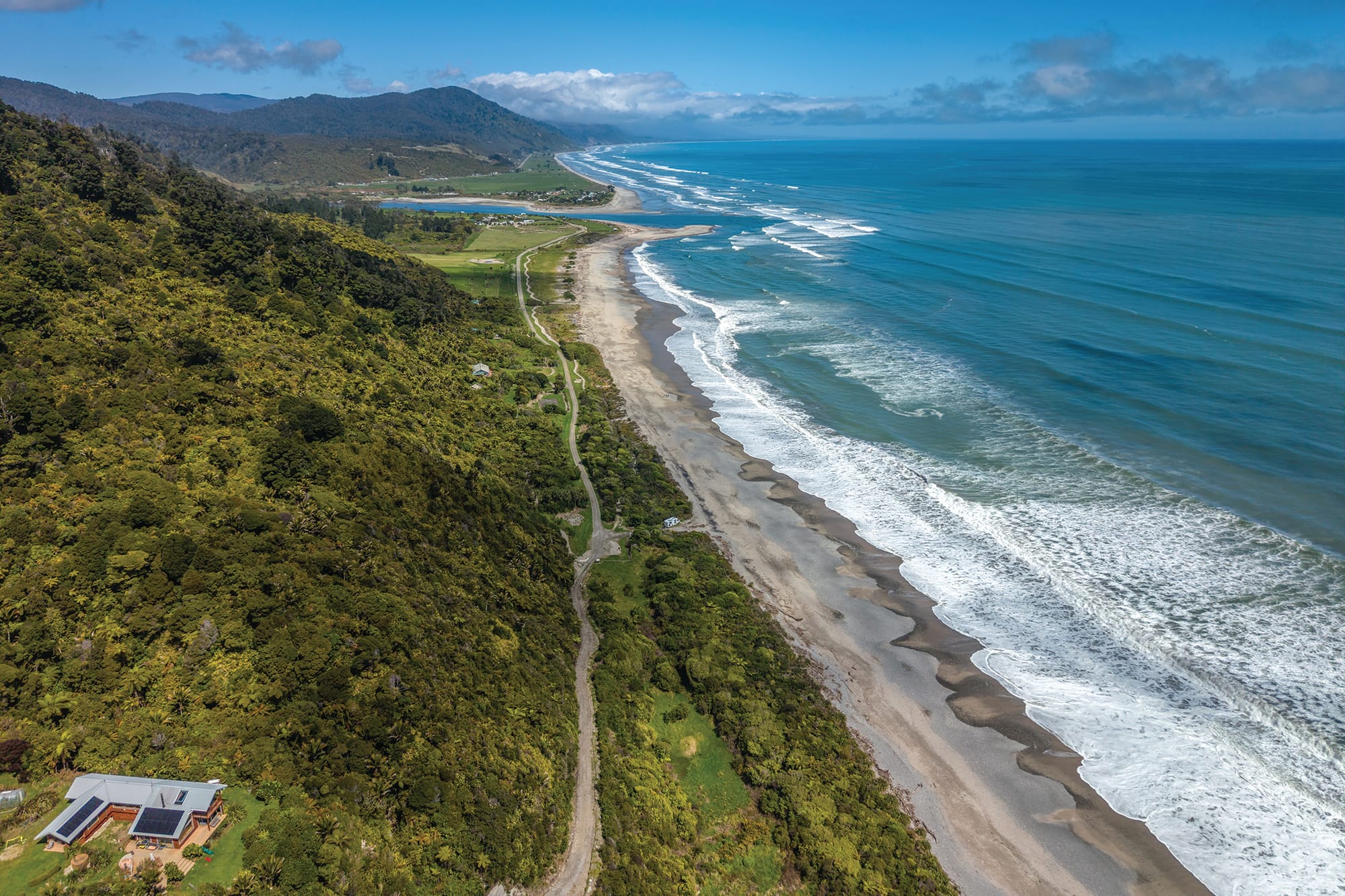
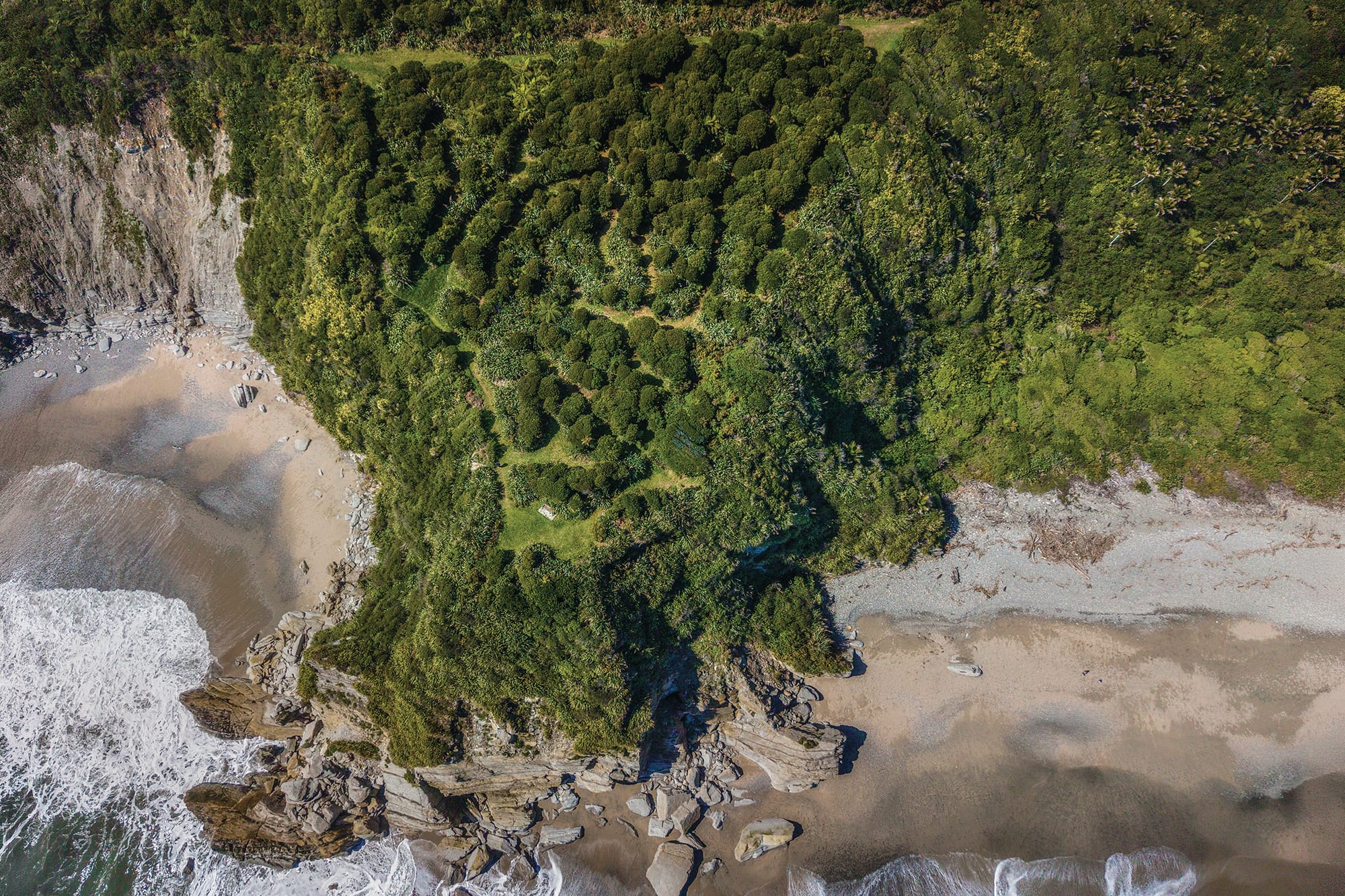
I followed a track up the hill and into a bush maze. For a little while there was just a shadowed, leafy path, sometimes leading nowhere and sometimes opening to views across the vast coastline running south as far as the eye could follow it. Tiny figures wandered along the beach below.
Take another path and the view changes. In the distance, a waterfall drops down a sheer cliff face into the ocean below. Rock formations rise from the coast, seabirds play in the air and, sometimes, Hector’s dolphins appear below. Beyond them are the mountains towards Karamea. It’s a magnificent viewing platform and, as I wander around, I realise how much thought, care and mahi have gone into this maze alone.
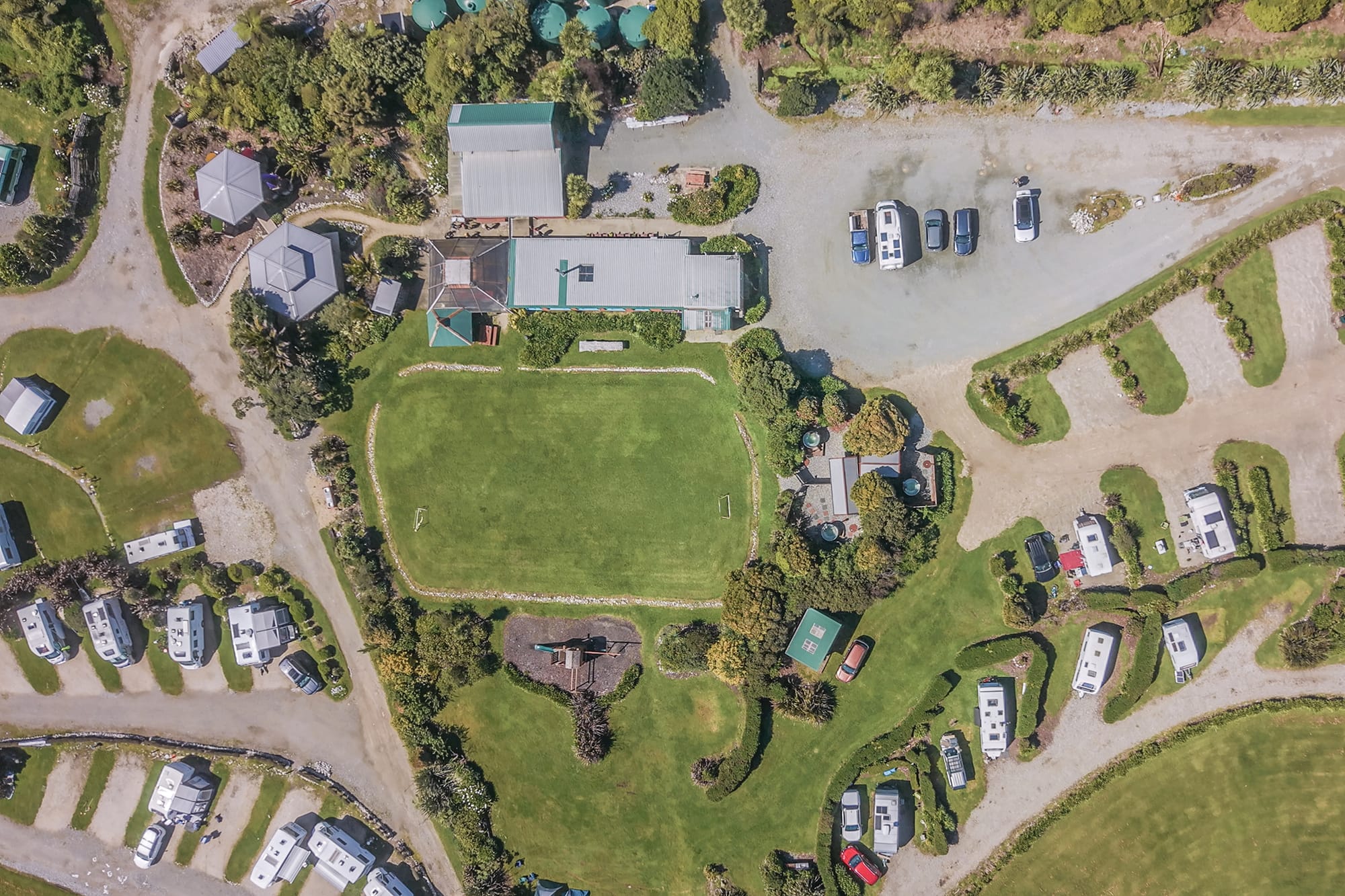
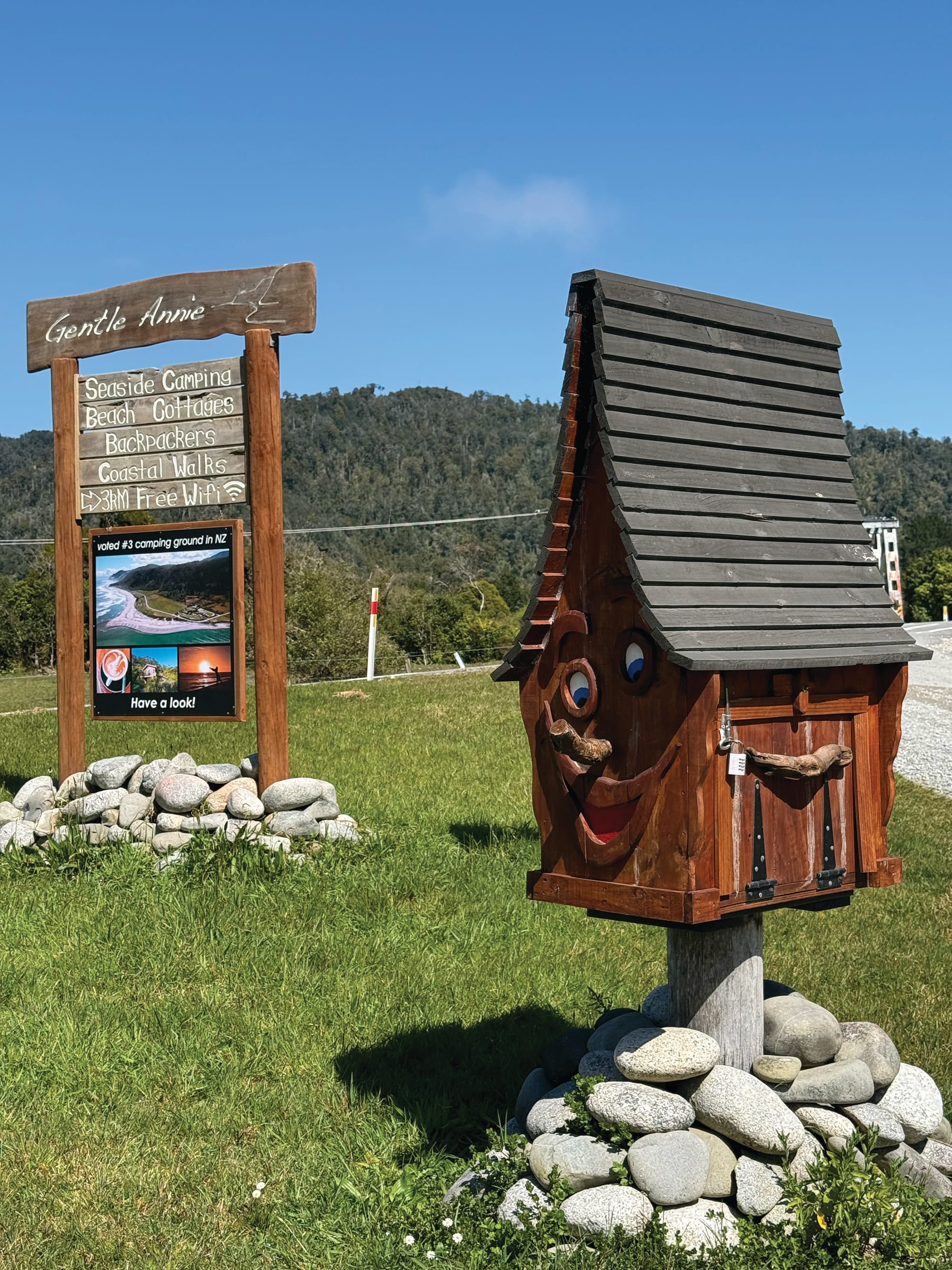
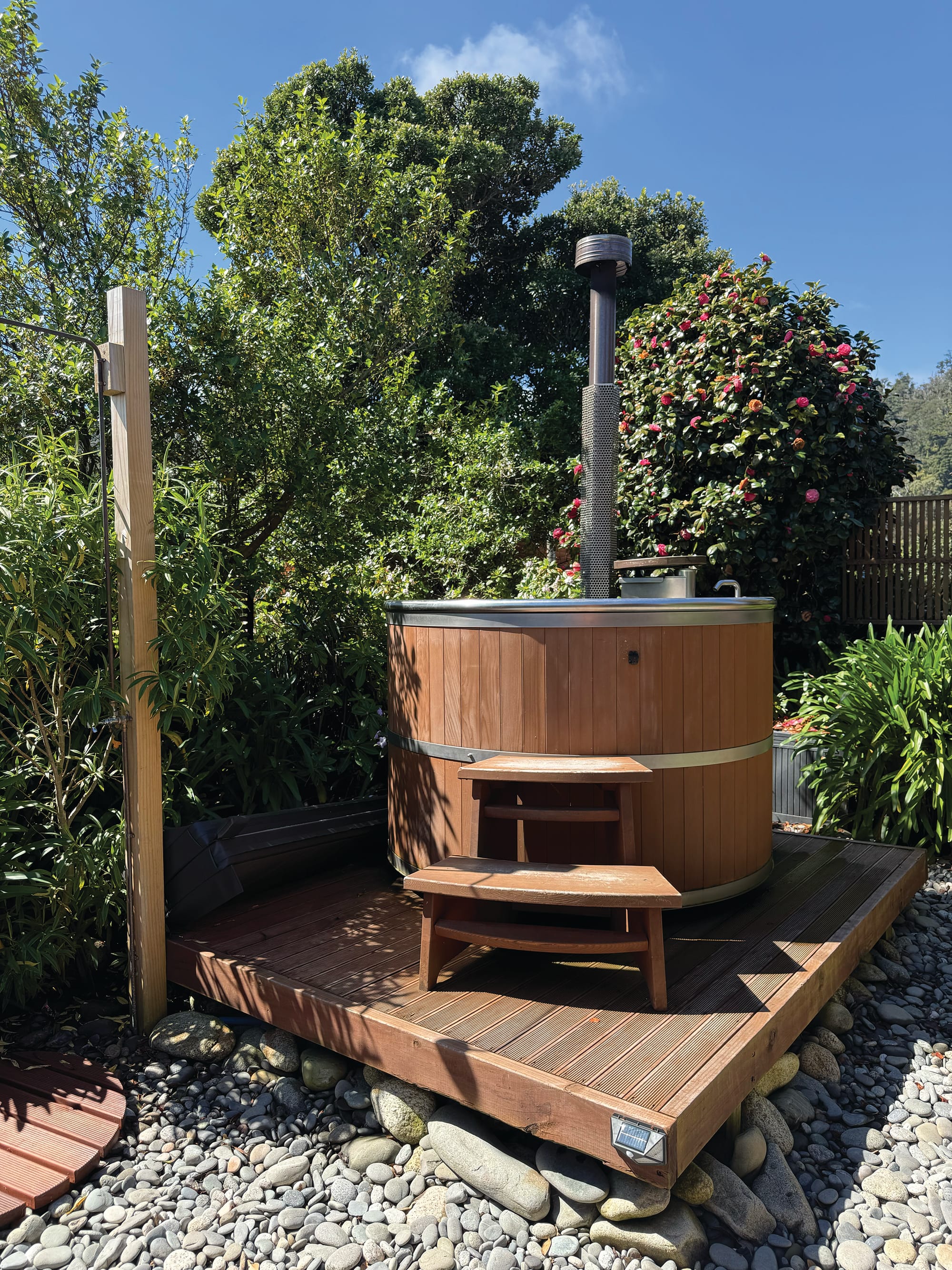
Back down the hill, Gentle Annie has a campground, holiday accommodation, three private outdoor hot tubs, a playground for the kids, a pizza oven and barbecue facilities. Newer facilities sit easily among the older buildings and established grounds. Everything is beautifully kept, but still unfussy. It feels like a beach holiday should.
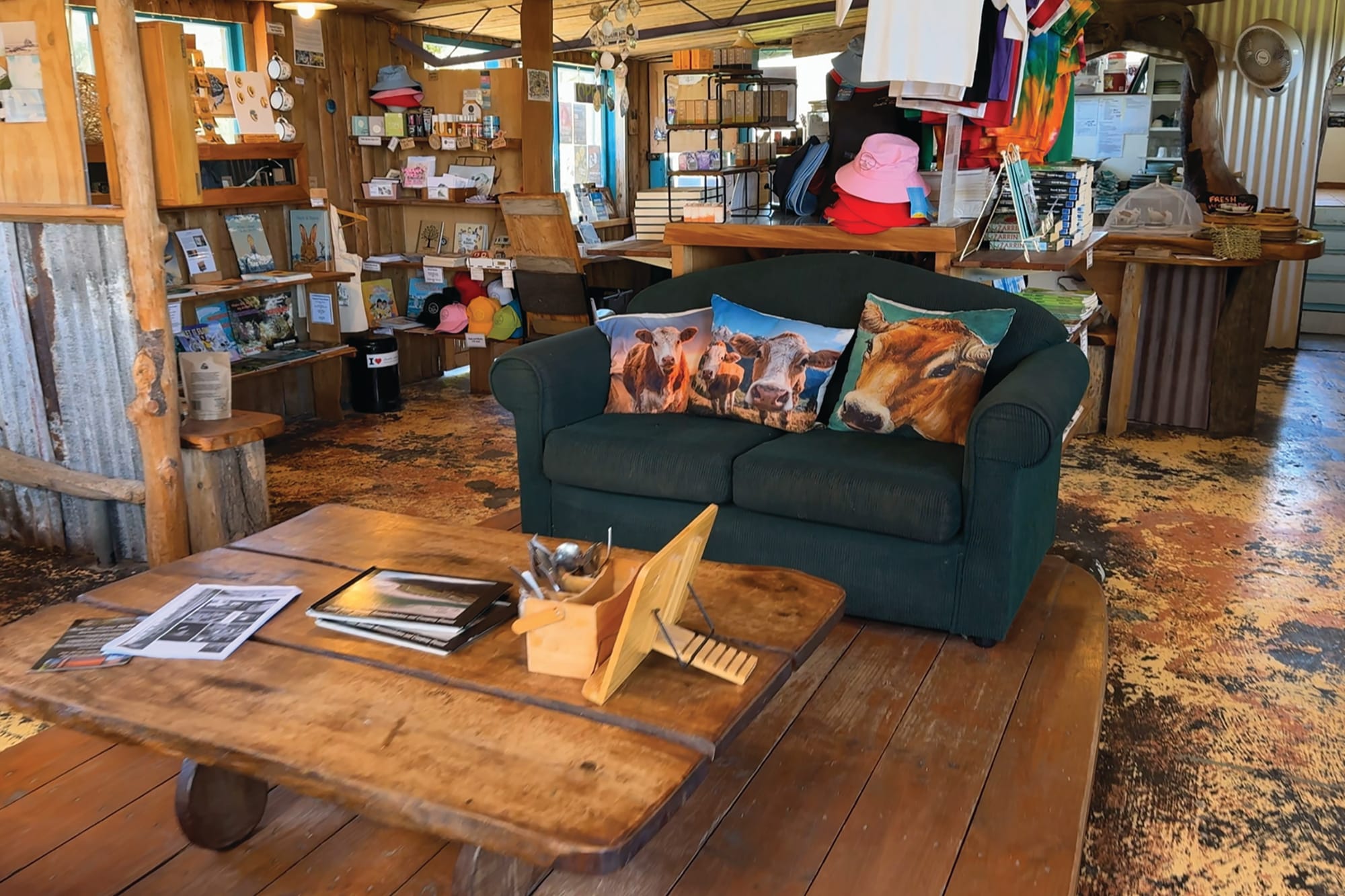
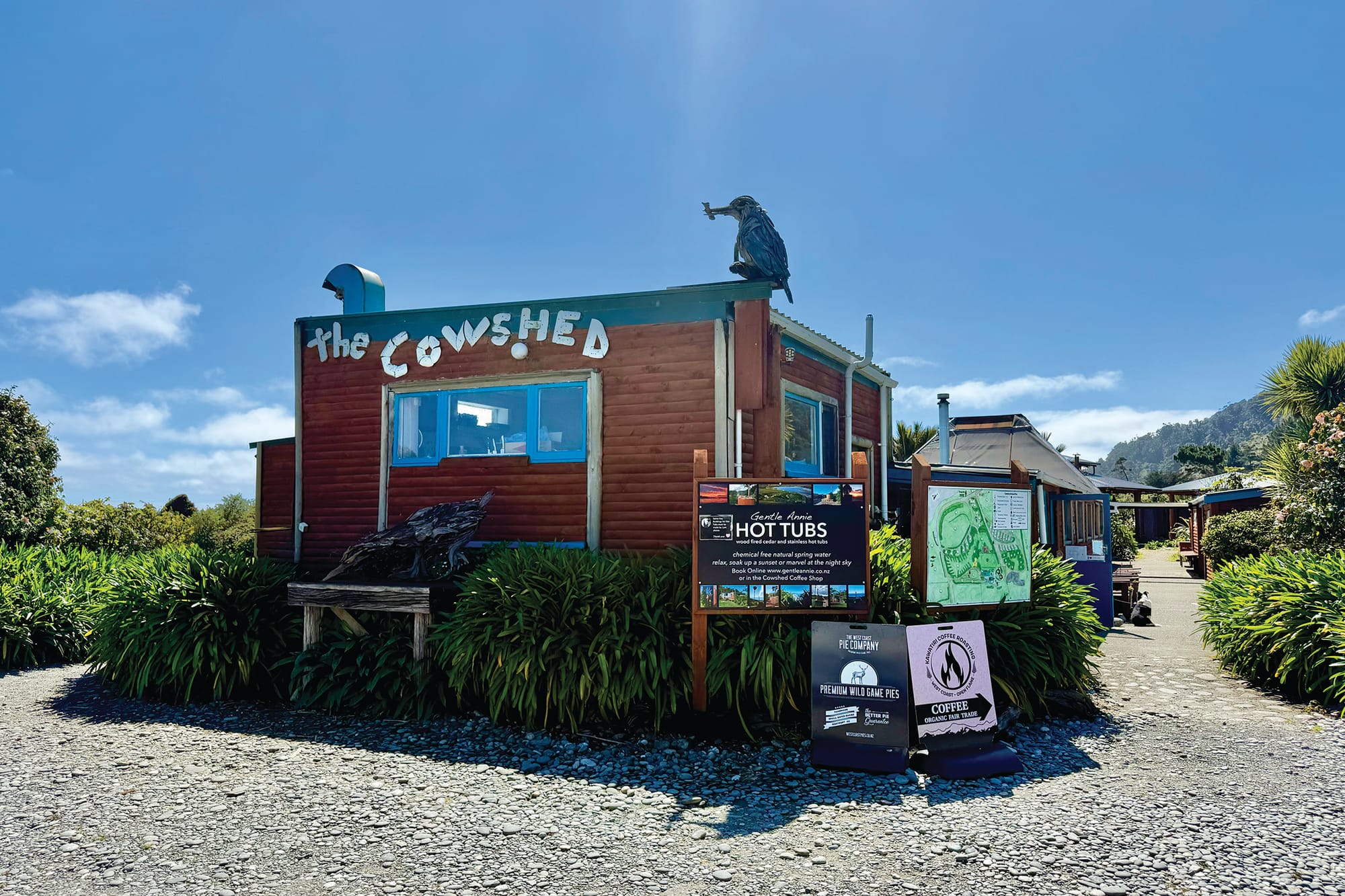
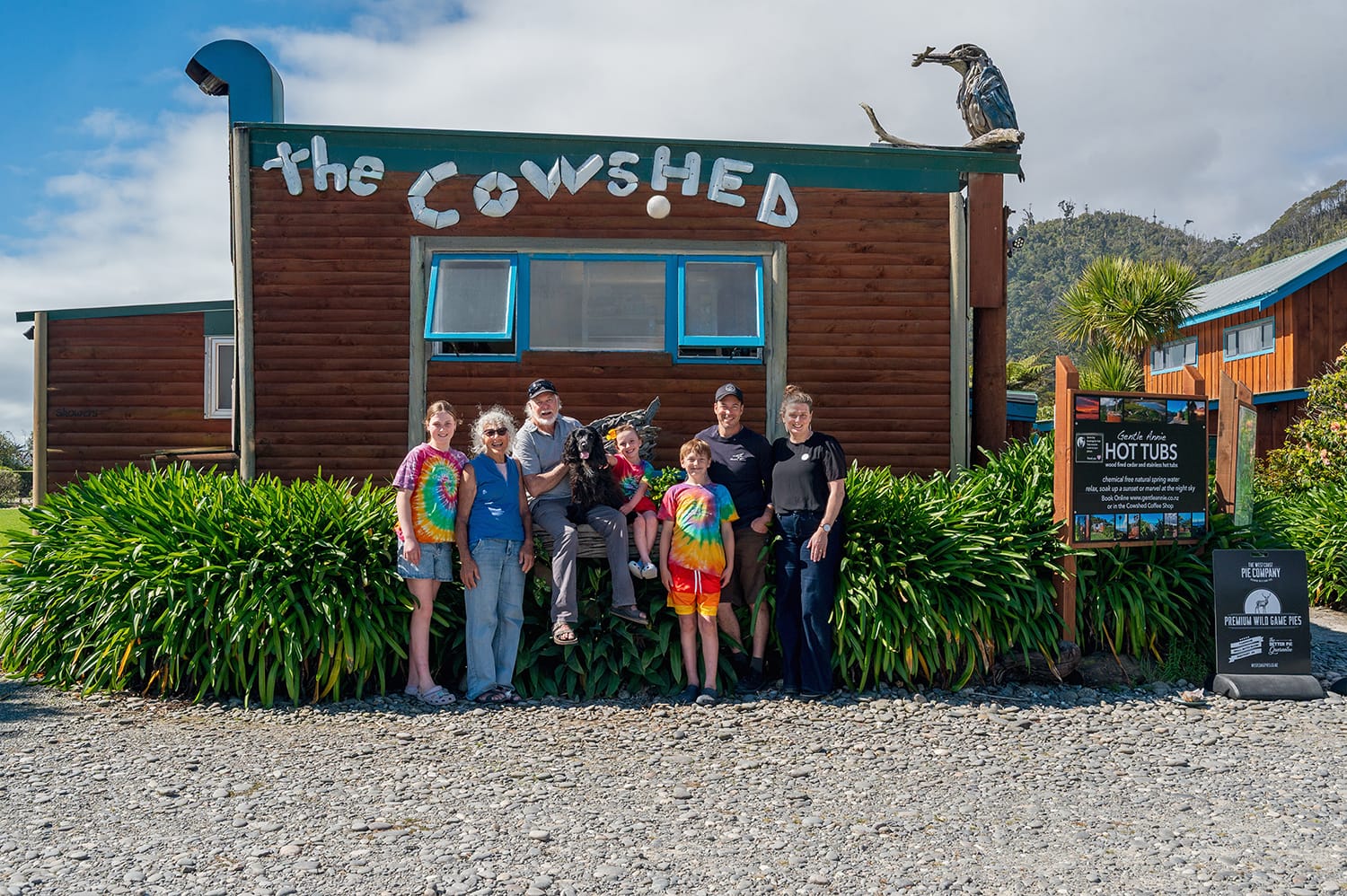
At the centre of it all is the Cowshed Café. The name is not nostalgic branding. It really was a cowshed.
The original flooring remains, along with reminders of its former working life. The old pit of the herringbone milking shed, where Phil and Ellen once stood to milk the cows lined up on either side, is now a goldfish pond.
There are books, a kids' corner and plenty of reasons to settle in. You can stop for a meal, some baking, a coffee or an ice cream, then find a lounge chair, picnic-style seat or a spot by the window looking out over the lawn.
Before the cowshed, there were glasshouses. And before almost everything visitors see here today, there were two people trying to work out how to make a living from a patch of land in northern Buller.
Phil and Ellen’s road to Gentle Annie began a long way from northern Buller. Their story is recorded in a small book kept at the Cowshed Café, telling how they came south, chose the Coast and eventually made this place home in 1976.
They would go on to raise four children here, with land around them and an idea that they might make their living from it.
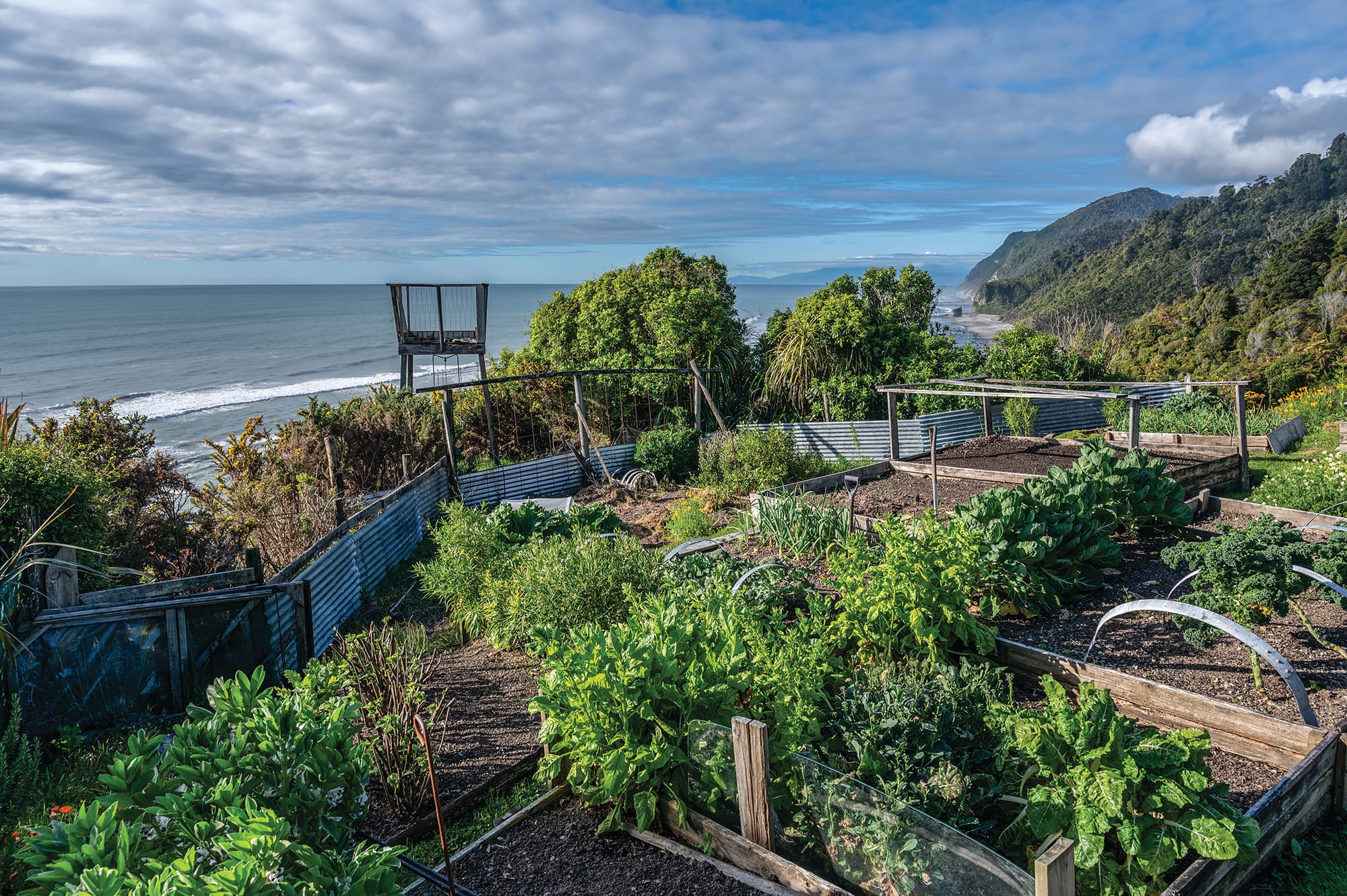
Phil’s horticultural knowledge and Gentle Annie’s warm microclimate gave them somewhere to begin. They wanted to be as self-sufficient as they could, and the horticulture operation grew steadily until there were around 16,000 square feet of glasshouses on the property. Inside them were winter tomatoes and babaco.
The tomatoes make sense once you understand the glasshouses and the microclimate. Babaco takes a little more explaining. A relative of the papaya, it is not the fruit you expect to encounter in a family history from northern Buller. Yet there it was, being grown commercially beside the Tasman Sea.
For several years, the glasshouses provided the family with a living. Then, in May 1984, a twister came ashore from the sea and destroyed them. Thousands of square feet of glass, and the livelihood beneath it, were gone.
Sometimes the next move is not a grand plan. It is simply what makes sense at the time. Around the same time, the adjoining dairy farm came up for sale, so Phil and Ellen bought it.
For the next few years, tomatoes were replaced by cows and the days took on the rhythm of a dairy farm. Then they sold the herd and, once again, looked around at what they had.
Phil’s background in landscape design and recreation offered the next idea. He built a full-size nine-hole golf course across the property. Parts of it are still visible. Wander around Gentle Annie now and you can still make out some of the old holes and bunkers.
Golf brought visitors. Visitors needed feeding. So the cowshed became a snack shop.
It is tempting to tidy the story into neat stages. Horticulture ended abruptly, so they became dairy farmers. Dairy farming ended, so they built a golf course. The golf course led to a café.
It probably did not feel nearly so orderly while they were living it.
The little business operating from the cowshed was becoming increasingly popular, while the golf course was expensive to maintain. Then the weather made the next decision for them. A violent flash flood swept through and destroyed much of the lower section of the course.
That was more or less the end of golf.
The Cowshed survived and, from 1990 until 2000, the family ran the Cowshed Restaurant, serving the daily trade and hosting weddings and functions. A building once designed around cows became somewhere people gathered to eat, celebrate and stay awhile.
Accommodation grew around it, not in one great development but step by step, until Gentle Annie could accommodate around 50 guests. A campground followed, opening the property to people travelling with tents, caravans and campervans.
The business had changed again, only this time, instead of sending something grown or produced on the property out into the world, the world was coming to them.
From 2001 until 2018, the Cowshed Café was leased to a series of people who brought different food and ideas to it over the summer seasons. By then, the next generation had started returning, and Phil and Ellen’s younger son Jesse came back to Gentle Annie with his partner Jessica in 2009.
Jesse had completed tertiary study across geology, politics, philosophy and economics. Jessica had worked as a paediatric physiotherapist for the West Coast District Health Board, travelling from Karamea to Haast as part of her work.
They could have built a life elsewhere. Instead, they built one here.
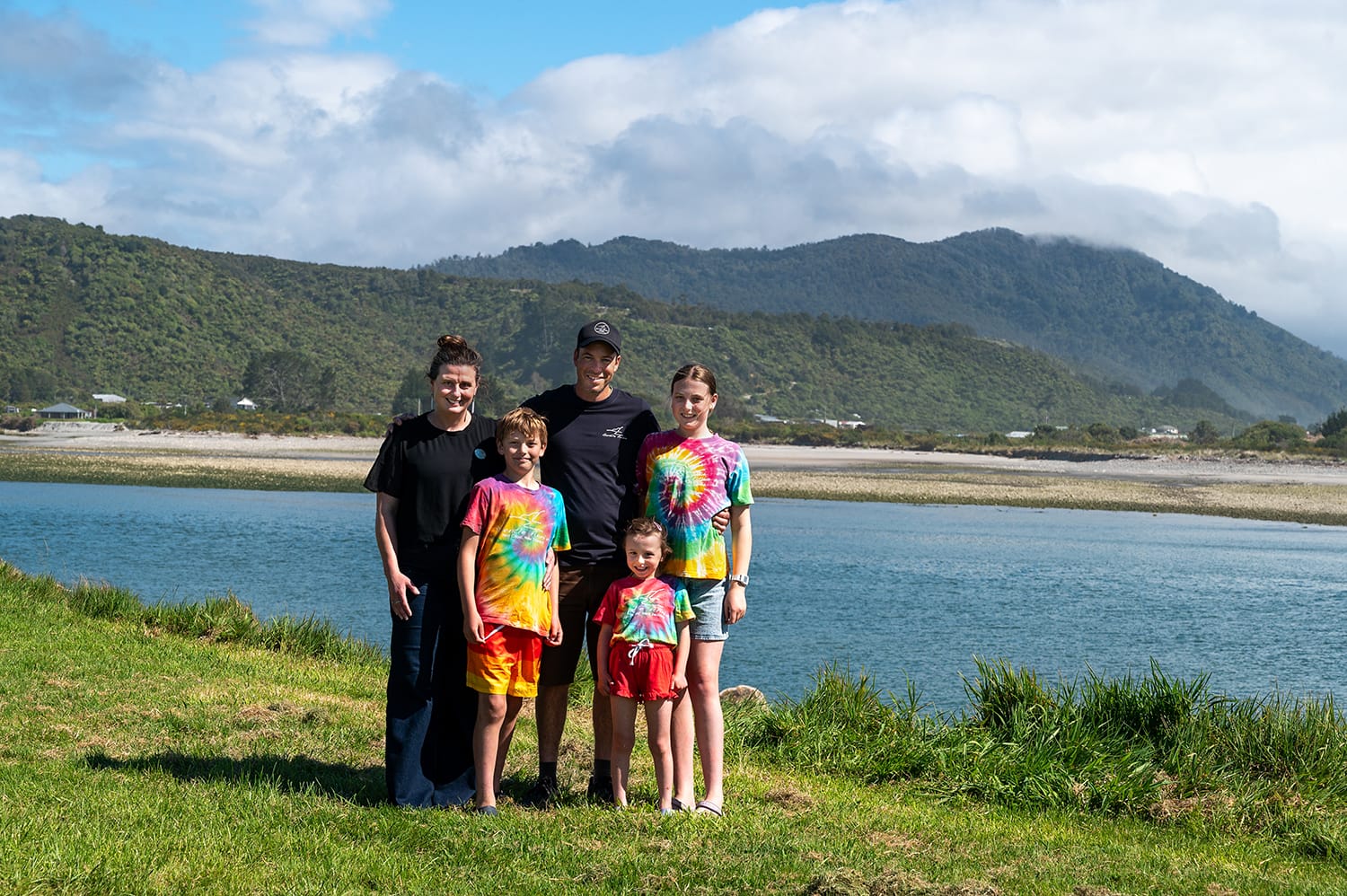
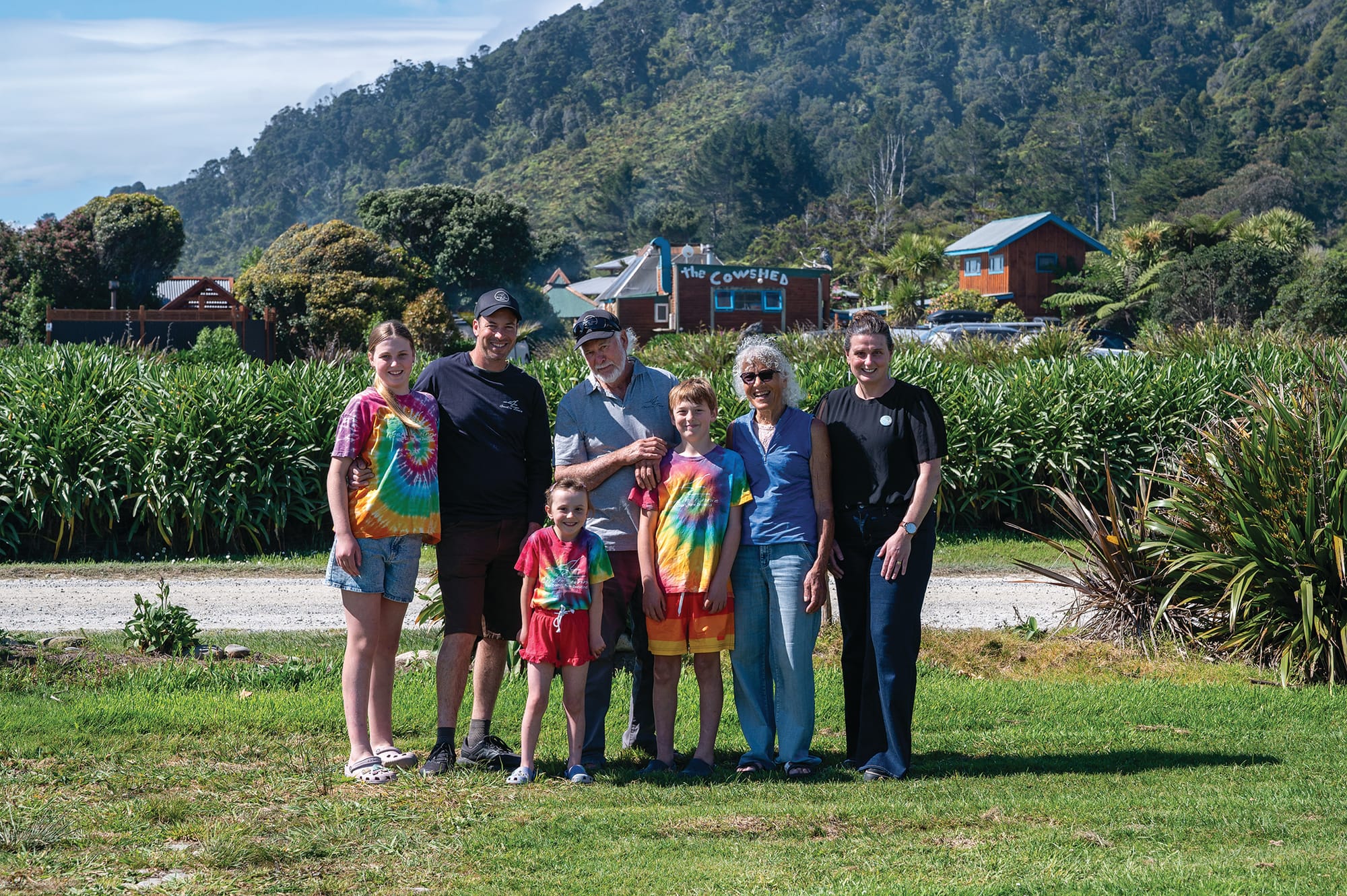
Jesse and Jessica now run Gentle Annie and the Cowshed Café with their team while raising their three children Ithaca-Jane, Beau and Dante-Ella who are all making a mark in their own way.
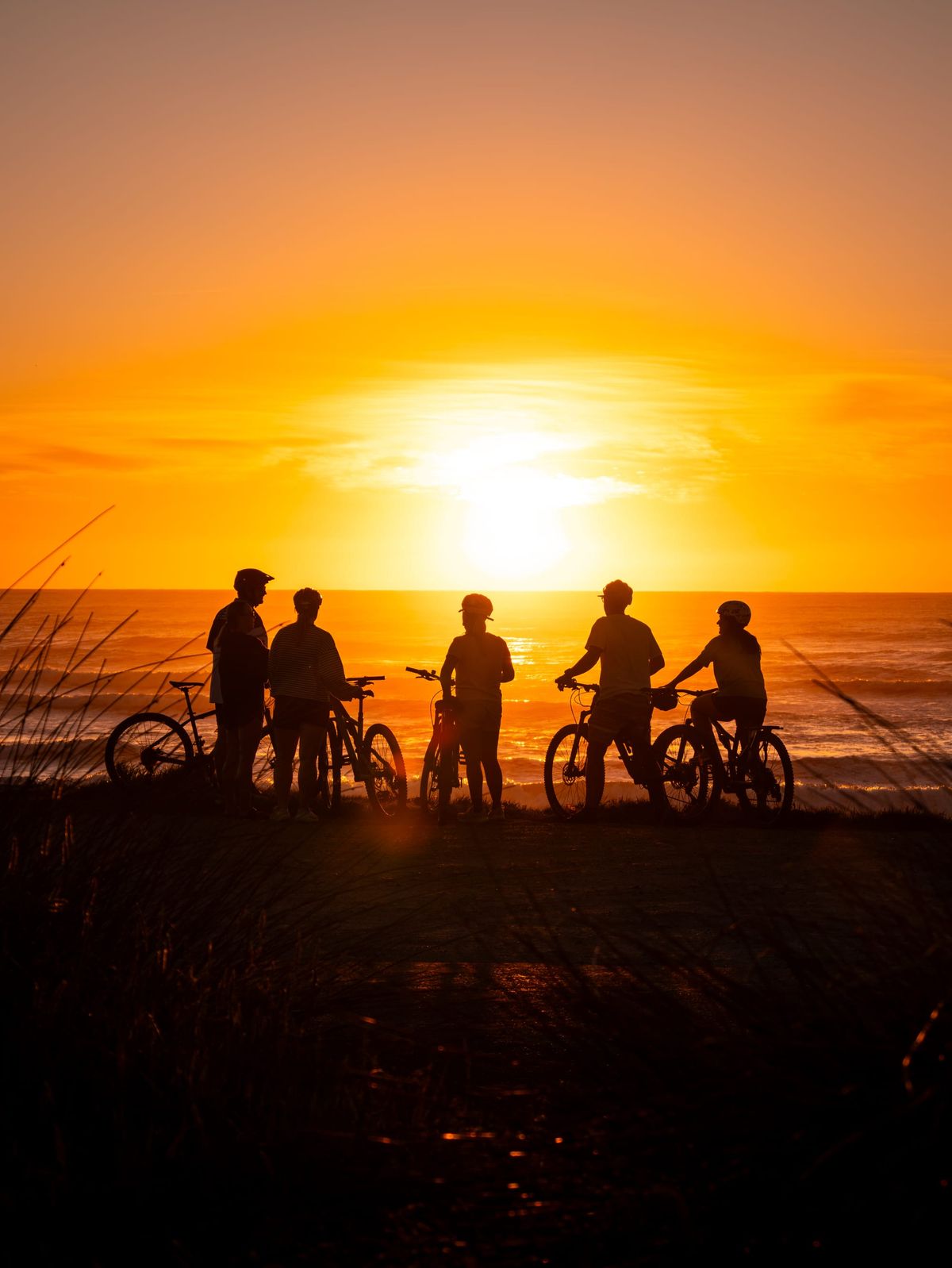
Phil and Ellen are still part of the place. There are bike tracks to build, lawns to mow, grandchildren to look after and also produce to grow for the family. Between their four children, they now have twelve grandchildren.
Ellen’s parents, Warren and Claire, were part of the Gentle Annie story too. For more than 35 years they travelled from New York to New Zealand each year to visit the family and help with whatever version of Gentle Annie happened to exist at the time. Phil’s parents, May and Bill, helped through the earlier years as well. Phil and Ellen's 3 other children, Tom, Dida and Phaedra and their partners and in keeping with the family tradition, Jane and Steve, Jessica's parents, have more recently contributed by designing and building a beautiful new amenities building, which sits alongside the Cowshed as the hub of the camping ground.
Family businesses are often described through ownership and dates, but they are built just as much through people turning up. Someone minds the children or mows the lawns. Someone paints, plants or washes dishes after a wedding. Someone comes across the world every year and asks what needs doing.
In 2026, the Paley-Atkins family marked 50 years at Gentle Annie.
At the heart of Gentle Annie is still the desire to live in a remote, largely untouched place while finding a way to make a living from it, protect the landscape around them and share some of its magic with other people.
It is a balance the family has been working out for half a century.
Standing at Gentle Annie today, the old chapters are not immediately obvious. What remains is harder to measure. There are people sleeping on the land where Phil and Ellen once set out to become more self-sufficient. There are children and grandchildren running around a place their family has been shaping since 1976.
And there are guests who return often enough that Gentle Annie seems to have become part of their lives too.
That afternoon, people fished along the river and the beach. Campers sat outside with books. Some lay in the sun while others wandered the property as though they had all the time in the world.
After a lifetime spent finding the next way to make the place work, Phil, Ellen and their family have made somewhere that gives everyone else permission to do very little at all.